


Rosé Wine | The Blush Archive
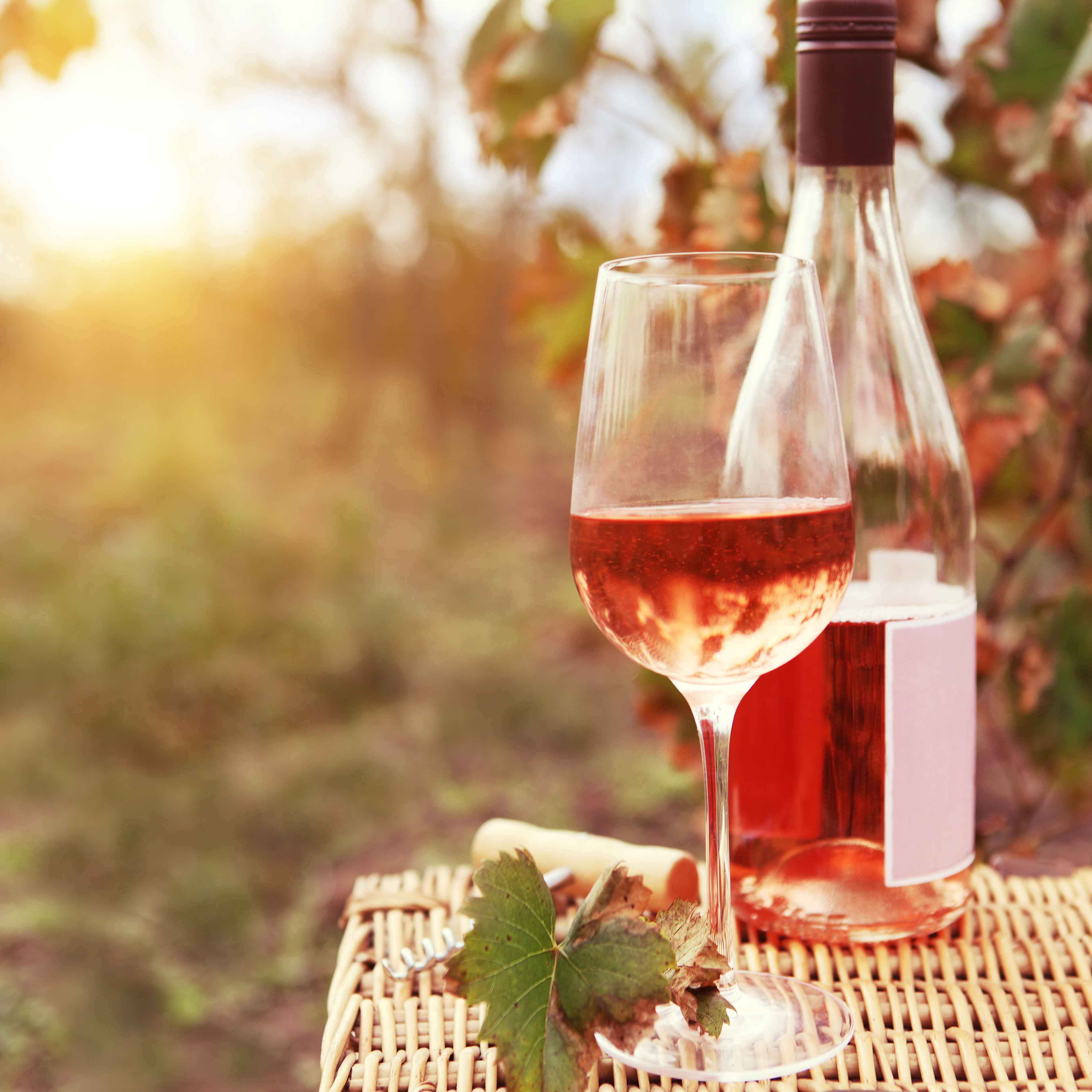
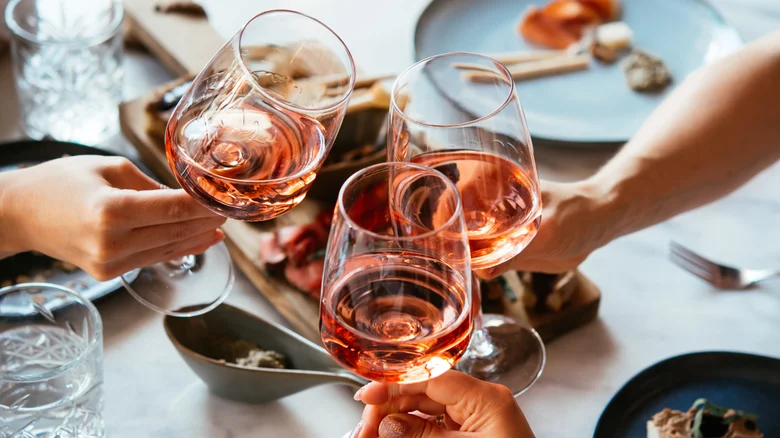
Rosé is made from dark-skinned grapes given just a few hours on their skins — long enough to turn the wine pink, but not long enough for the tannin and weight of a red. It isn't a blend of red and white; it's defined by time. Most of it is dry, fresh and meant to be drunk young and cold, with Provence the benchmark for the pale, crisp style. This page is the home for rosé in the vault, from everyday pink to the more serious bottlings of Tavel.
- Made from dark-skinned grapes with brief skin contact — hours, not weeks — which gives the pink colour without a red's tannin.
- Not a blend of red and white wine — it's defined by time on the skins. (Blending is standard only for sparkling rosé.)
- The longer the skin contact, the deeper the pink — from palest silver-pink to vivid coral.
- Mostly dry (Provence the benchmark); off-dry and sweet styles exist too.
- Best served well chilled (about 50–60°F).
- Generally best young — within a year or two — while it's fresh.
Three methods make rosé. Skin-contact maceration — crush dark grapes, leave the juice on the skins a few hours, then press off — is the usual route for serious rosé. Direct press (vin gris) presses red grapes almost immediately for the palest, lightest wines. Saignée "bleeds off" pink juice from a red-wine fermentation, giving a darker, richer style that's often a by-product. Only in sparkling rosé is blending red into white the standard.
Provence is the modern benchmark — pale, dry and saline, from Grenache, Cinsault, Syrah and Mourvèdre. Tavel, in the Rhône, is the one French appellation devoted only to rosé: deeper, structured and ageworthy. The Loire makes Cabernet Franc rosés and the off-dry Anjou styles, while New World rosés tend to be riper and labelled by grape. At the sweet end sit wines like White Zinfandel.
Rosé by Style
| Pale & Dry — the benchmark | |
| Provence | Pale, dry, saline; Grenache, Cinsault, Syrah, Mourvèdre — strawberry and melon |
| Vin gris | Palest of all; red grapes pressed at once (often Pinot Noir) |
| Deeper & Structured | |
| Tavel | Rhône; the only French appellation just for rosé — fuller and ageworthy |
| Syrah rosé | Darker hue, fuller body; plum and spice |
| Off-Dry to Sweet | |
| Cabernet d'Anjou | Loire; lightly sweet, red-fruited |
| White Zinfandel | California; sweet, light pink blush |
Rosé sits alongside our red wine, white wine, and sparkling wine collections in the cellar. For now, browse our most popular bottles.
Collector Note
Rosé is the one wine made above all for freshness: most is at its best in its first year or two, served cold, rather than laid down. That's part of its appeal — buy the current vintage and enjoy it. There are exceptions worth knowing: top Tavel and a handful of barrel-aged Provence cuvées can take a few years of age. With rosé especially, the vintage on the label is worth checking, since a fresh release is usually what you want.
How Rosé Is Made
Rosé starts with dark-skinned grapes, just like red wine — the difference is time. In the most common method, the crushed grapes sit on their skins for only a few hours (up to about a day), long enough to draw out a little colour and flavour but not the tannin of a red; the juice is then pressed off and fermented like a white. Direct press, or vin gris, shortens that contact to almost nothing for the palest wines, while the saignée method bleeds pink juice off a red-wine tank. Quality still rosé is never just red and white mixed — the only place blending is the norm is sparkling rosé, where a little red is added to the base wine.
Authentication & Vault Preservation
Every bottle sold through Midnight Whiskey is sourced as an authorized, authentic retailer, vault-stored and insured under controlled conditions, shipped with protective handling and age-verified 21-and-over signature on delivery, and authenticated by our concierge before it ships. For the details, see how we verify every bottle, vault storage and the concierge desk, and sourcing, storage and delivery.
Frequently Asked Questions
How is rosé wine made — is it just red and white mixed?
No — quality rosé isn't a blend of red and white wine. It's made from dark-skinned grapes given only brief contact with their skins, often just a few hours, which tints the juice pink without the tannin and weight of a red. The juice is then pressed off and fermented much like a white. (The one exception is sparkling rosé, where blending red into the base wine is allowed, as in Champagne.) The longer the skin contact, the deeper the colour.
Is rosé dry or sweet, and should I age it?
Most quality rosé is dry, led by the pale wines of Provence; off-dry and sweet styles exist too, like Cabernet d'Anjou and White Zinfandel. Rosé is generally made to be enjoyed young and cold, within a year or two, while it's fresh — a few serious examples, such as top Tavel, can take some age, but most are about freshness rather than the cellar. Specific producers and vintages vary, so check each listing.
Rosé is made from dark-skinned grapes given just a few hours on their skins — long enough to turn the wine pink, but not long enough for the tannin and weight of a red. It isn't a blend of red and white; it's defined by time. Most of it is dry, fresh and meant to be drunk young and cold, with Provence the benchmark for the pale, crisp style. This page is the home for rosé in the vault, from everyday pink to the more serious bottlings of Tavel.
- Made from dark-skinned grapes with brief skin contact — hours, not weeks — which gives the pink colour without a red's tannin.
- Not a blend of red and white wine — it's defined by time on the skins. (Blending is standard only for sparkling rosé.)
- The longer the skin contact, the deeper the pink — from palest silver-pink to vivid coral.
- Mostly dry (Provence the benchmark); off-dry and sweet styles exist too.
- Best served well chilled (about 50–60°F).
- Generally best young — within a year or two — while it's fresh.
Three methods make rosé. Skin-contact maceration — crush dark grapes, leave the juice on the skins a few hours, then press off — is the usual route for serious rosé. Direct press (vin gris) presses red grapes almost immediately for the palest, lightest wines. Saignée "bleeds off" pink juice from a red-wine fermentation, giving a darker, richer style that's often a by-product. Only in sparkling rosé is blending red into white the standard.
Provence is the modern benchmark — pale, dry and saline, from Grenache, Cinsault, Syrah and Mourvèdre. Tavel, in the Rhône, is the one French appellation devoted only to rosé: deeper, structured and ageworthy. The Loire makes Cabernet Franc rosés and the off-dry Anjou styles, while New World rosés tend to be riper and labelled by grape. At the sweet end sit wines like White Zinfandel.
Rosé by Style
| Pale & Dry — the benchmark | |
| Provence | Pale, dry, saline; Grenache, Cinsault, Syrah, Mourvèdre — strawberry and melon |
| Vin gris | Palest of all; red grapes pressed at once (often Pinot Noir) |
| Deeper & Structured | |
| Tavel | Rhône; the only French appellation just for rosé — fuller and ageworthy |
| Syrah rosé | Darker hue, fuller body; plum and spice |
| Off-Dry to Sweet | |
| Cabernet d'Anjou | Loire; lightly sweet, red-fruited |
| White Zinfandel | California; sweet, light pink blush |
Rosé sits alongside our red wine, white wine, and sparkling wine collections in the cellar. For now, browse our most popular bottles.
Collector Note
Rosé is the one wine made above all for freshness: most is at its best in its first year or two, served cold, rather than laid down. That's part of its appeal — buy the current vintage and enjoy it. There are exceptions worth knowing: top Tavel and a handful of barrel-aged Provence cuvées can take a few years of age. With rosé especially, the vintage on the label is worth checking, since a fresh release is usually what you want.
How Rosé Is Made
Rosé starts with dark-skinned grapes, just like red wine — the difference is time. In the most common method, the crushed grapes sit on their skins for only a few hours (up to about a day), long enough to draw out a little colour and flavour but not the tannin of a red; the juice is then pressed off and fermented like a white. Direct press, or vin gris, shortens that contact to almost nothing for the palest wines, while the saignée method bleeds pink juice off a red-wine tank. Quality still rosé is never just red and white mixed — the only place blending is the norm is sparkling rosé, where a little red is added to the base wine.
Authentication & Vault Preservation
Every bottle sold through Midnight Whiskey is sourced as an authorized, authentic retailer, vault-stored and insured under controlled conditions, shipped with protective handling and age-verified 21-and-over signature on delivery, and authenticated by our concierge before it ships. For the details, see how we verify every bottle, vault storage and the concierge desk, and sourcing, storage and delivery.
Frequently Asked Questions
How is rosé wine made — is it just red and white mixed?
No — quality rosé isn't a blend of red and white wine. It's made from dark-skinned grapes given only brief contact with their skins, often just a few hours, which tints the juice pink without the tannin and weight of a red. The juice is then pressed off and fermented much like a white. (The one exception is sparkling rosé, where blending red into the base wine is allowed, as in Champagne.) The longer the skin contact, the deeper the colour.
Is rosé dry or sweet, and should I age it?
Most quality rosé is dry, led by the pale wines of Provence; off-dry and sweet styles exist too, like Cabernet d'Anjou and White Zinfandel. Rosé is generally made to be enjoyed young and cold, within a year or two, while it's fresh — a few serious examples, such as top Tavel, can take some age, but most are about freshness rather than the cellar. Specific producers and vintages vary, so check each listing.